

TVEC Approval for Training Institutes in Sri Lanka
- NQual

- May 29
- 5 min read
How to Deliver UK Qualifications Compliantly
If you are a training institute in Sri Lanka looking to deliver UK qualifications, TVEC approval is not optional — it is the legal foundation on which everything else is built. This guide explains what TVEC registration involves, how it relates to British Council Verification, and how working with a UK Awarding Organisation like NQual can enhance outcomes for your learners while keeping you fully compliant.
Why TVEC Approval Matters for Training Institutes in Sri Lanka
TVEC approval highlight the importance of clear understanding across the sector and identify training institutes responsibility for high quality delivery. For training institutes in Sri Lanka, TVEC approval is not simply a regulatory formality — it is the foundation of credibility, legal compliance, and learner protection.
Registration gives confidence to students, parents, employers, and the government that training content, assessment, and certification meet specified standards, and allows learners to identify recognised providers and courses.
Without it, a training institute cannot lawfully deliver accredited vocational programmes, and any certificates issued risk being unrecognised by employers, government bodies, or further education institutions.
For institutes seeking to enhance their provision with internationally recognised UK qualifications, TVEC registration is the prerequisite — not an alternative pathway, but the essential first step that makes everything else possible

TVEC Registration Requirements: What Training Institutes in Sri Lanka Must Know.
In Sri Lanka, vocational and technical education is governed by a clearly defined national system. The Tertiary and Vocational Education Commission (TVEC) plays a central role in this, as the regulatory body responsible for overseeing course accreditation and overall quality standards of vocational education.
Under this system, training institutes are required to be formally registered before they can deliver vocational training. This registration is not simply administrative; it is designed to ensure that institutions meet minimum requirements in terms of staffing, infrastructure, delivery capability, and quality assurance.
In practical terms, this means that before any training institute considers working with an international awarding organisation, there must first be a solid foundation in place locally through TVEC approval.
How UK Qualifications Fit Within TVEC Accreditation in Sri Lanka
When a provider in Sri Lanka chooses to offer a UK regulated qualification or a non-regulated recognised programme (such as an NQual Endorsed Programme), they are not stepping outside of the national system, they are adding an additional layer to it.
UK qualifications do not exist outside of Sri Lanka's national framework — they sit within it, and understanding this distinction is essential for any training institute considering international partnerships.
Under Sri Lankan law, for any Technical and Vocational Qualifications — including Higher National Diplomas, Higher Diplomas, and Diplomas — other than degrees offered by UK universities, all local institutions providing vocational training are required to meet TVEC registration requirements. This means that offering a UK regulated qualification, or a recognised programme such as an NQual Endorsed Programme, does not replace the need for TVEC approval — it adds an internationally recognised layer on top of a locally compliant foundation.
In practical terms, a training institute must first hold TVEC registration and relevant course accreditation before it can legitimately deliver and certificate learners through a UK Awarding Organisation.
The British Council has worked directly with TVEC to support quality improvement in the accreditation of national vocational qualifications in line with international quality assurance standards, with the aim of developing qualifications that are better aligned for international labour markets.
TVEC guidelines include specific provisions for training institutes offering foreign qualifications, meaning that those programmes must still be reviewed, registered, or aligned within the local framework.
British Council Verification: A Key Step for Delivering UK Qualifications in Sri Lanka
For training institutes in Sri Lanka, British Council Verification is a mandatory and legally required step in the process of delivering UK vocational qualifications. Under Sri Lankan law, for any Technical and Vocational Qualifications — Higher National Diplomas, Higher Diplomas, Diplomas, and similar awards — other than degrees offered by UK universities, all local institutions providing vocational training must meet TVEC registration requirements, with British Council Verification forming a key part of this process.

Training institutes should ensure that any UK Awarding Organisation they partner with is both willing and able to provide this confirmation promptly, as it directly affects the institute's ability to operate compliantly and issue certificates that learners and employers will recognise
NQual, as an Ofqual-regulated awarding organisation, can provide the confirmation to British Council that the qualification and certificate are genuine, which is a required part of the verification process. The timeline for verifications is approximately 10 working days through the British Council. NQual aim to respond to all verification requests within 48 hours.
How TVEC Approval and UK Awarding Organisations Work Together
A compliant and sustainable model for delivering UK qualifications in Sri Lanka relies on the alignment of two systems, the national and international. TVEC provides the national foundation — registering the training institute, accrediting courses against National Competency Standards, and ensuring that delivery meets the expectations of Sri Lanka's broader vocational education system.
The UK Awarding Organisation provides the international layer — approving the centre, setting qualification standards, overseeing quality assurance, and issuing certificates that carry recognition beyond Sri Lanka's borders.
The British Council has worked directly with TVEC to align national vocational qualifications with international quality assurance standards, supporting the development of a roadmap for international recognition — a clear signal that these systems are designed to be complementary rather than competing.
Neither of these systems replaces the other. Both must be in place for delivery to be considered complete.
The Role of Training Institutes and Awarding Organisations in International Delivery
International education works best when there is a clear understanding of responsibility across all parties involved. For training institutes in Sri Lanka, this means ensuring TVEC registration is in place, that course accreditation has been obtained, that British Council Verification requirements are met, and that learners are enrolled onto programmes that are both locally and internationally recognised.
For UK Awarding Organisations, it means setting rigorous qualification standards, approving only those centres that demonstrate the capacity to deliver to the required level, and maintaining consistent quality assurance from enrolment through to certification.
Registration and subsequent guidance from TVEC help improve both the internal and external efficiency of training provided, with government recognition consolidating the status of the training institute — and it is within this recognised structure that UK Awarding Organisations must operate, not around it.
When these roles are clearly defined and properly aligned, the outcome is a model of international delivery that protects the learner, upholds the integrity of the qualification, and supports the long-term reputation of everyone involved.
How NQual Supports TVEC Registered Training Institutes in Sri Lanka
As an Ofqual-regulated UK Awarding Organisation, NQual's role in Sri Lanka is to support training institutes in building a delivery model that is both internationally recognised and locally compliant.
This begins with the centre approval process, through which NQual works closely with institutes to assess their readiness to deliver, ensuring that staffing, resources, assessment practices, and quality assurance processes meet the required standard. Critically, NQual understands the regulatory environment in which Sri Lankan training institutes operate, including the requirements of TVEC registration, course accreditation, and British Council Verification — and provides the formal confirmation to the British Council that is required as part of that process.
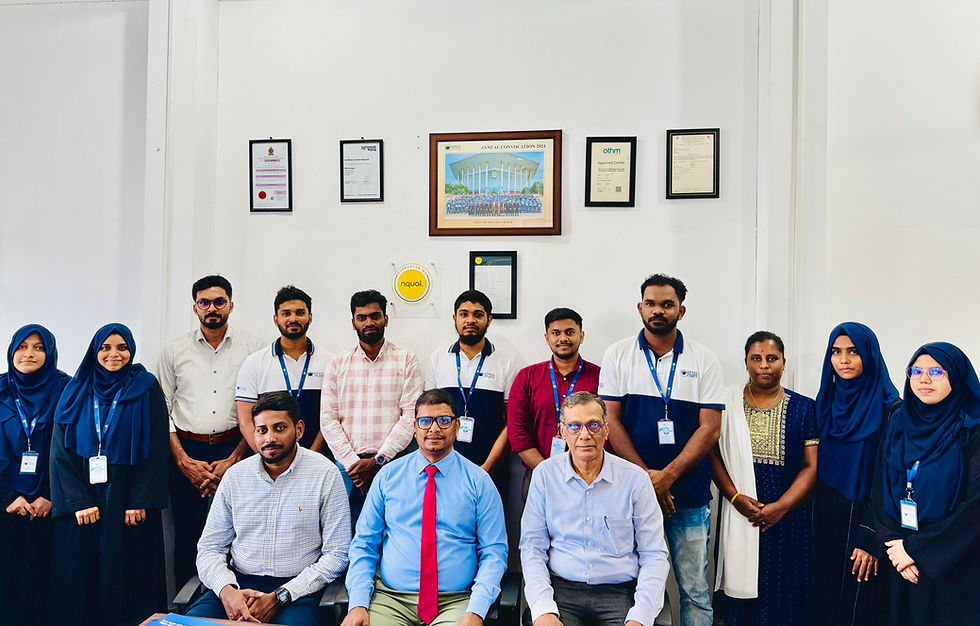
This means that partnering with NQual is not simply about accessing a suite of UK qualifications; it is about working with an awarding organisation that takes shared responsibility for compliance, supports institutes through the full approval pathway, and maintains the ongoing quality assurance that protects both the institute's reputation and the value of every certificate awarded to its learners.
For training institutes in Sri Lanka that are serious about quality, compliance, and international recognition, NQual offers a partnership built on the same foundations.
Need Support?
If you’re unsure whether your current or planned delivery fully aligns with both TVEC requirements and UK awarding organisation standards, the NQual team is always available to offer guidance and clarity.
Schedule a call with a member of the NQual team today.

Comments